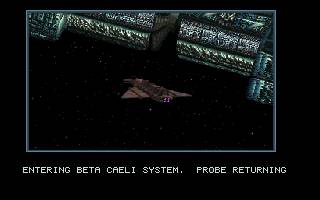


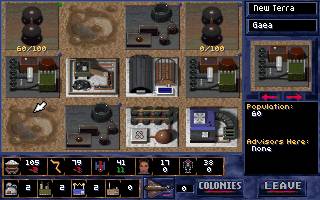
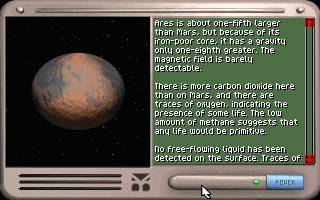
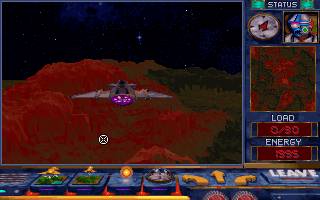

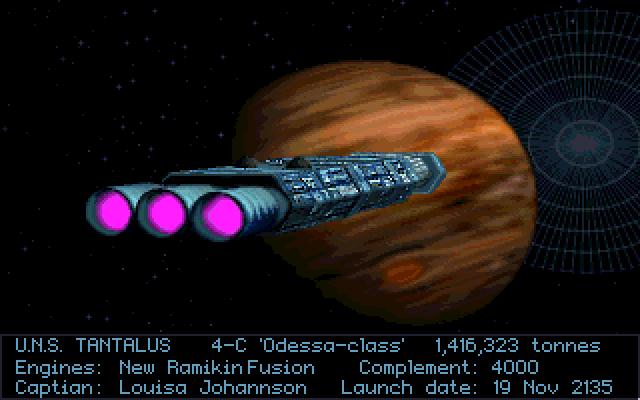
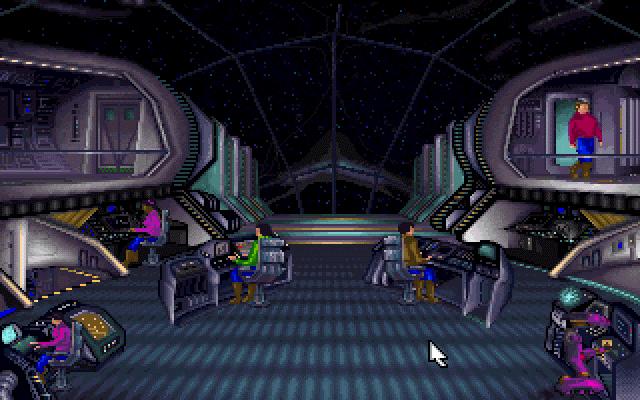
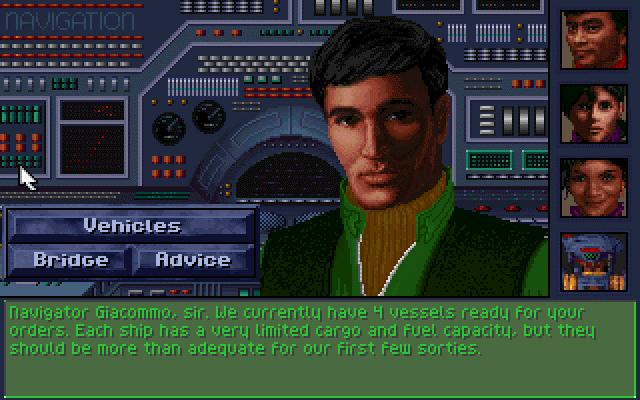
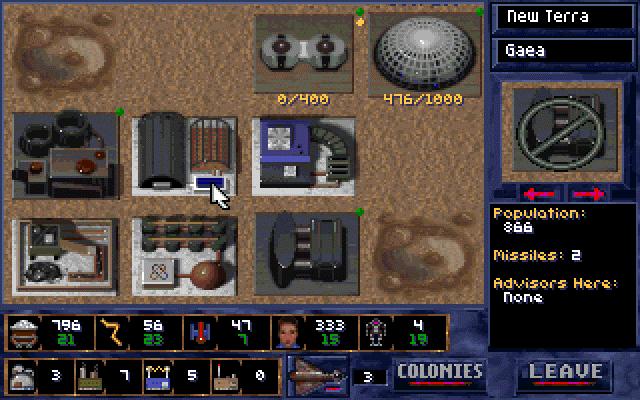

In a rather unusual twist from similar games in the space exploration/world-building genre, Alien Legacy emphasizes game enjoyment and story involvement first and foremost above technical brilliance and futuristic space hardware. In fact, by introducing and maintaining a solid storyline with elements of adventure, strategy, and puzzle solving, designer Joe Ybarra has struck a happy medium between the extremes of hard and soft science fiction. There's a very fine balance that includes the popular advances-in-technology theme, colonization, combat, exploration, and mystery. The game doesn't always intricately integrate these components in an obvious way but there is enough of each element to keep interest high and involvement worthwhile for the most part. Advisors don't always dispense particularly sage advice, which keeps you on your toes and gives you the feeling of decision-making and being in control, since you have to sift out the bad or weak advice from the good. Even though Alien Legacy has a definite game-ending goal, it is an open-ended adventure that allows you to continue your space-faring adventure after the ultimate game mystery has been solved.
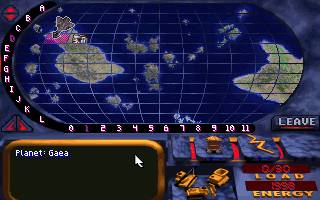
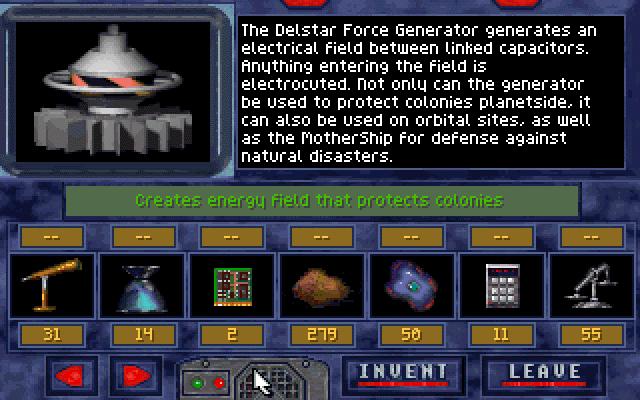
While the interface can be slightly obtu se and awkward at first, once you've learned and mastered it, game play flows nicely. Mouse-driven with keyboard directional controls used mainly for shuttle craft combat sequences, the interface relies mostly on the point and click-on-the-right-icon system. Combat in Alien Legacy is not a complex affair, so if you're looking for Tie Fighter or X-Wing arcade action-style maneuvering, you won't find it here; this is more a case of strategic ambush through placement of a missile-toting shuttle. The research and development of new technologies, while a requirement in certain areas of the game to advance specific ship or colony capabilities, isn't always seamlessly integrated into the plotline, and practical, immediate use of technology isn't guaranteed. This element is actually quite nice, because it forces you to keep on with even more research to assure usability of the components you have in your technological inventory. The central mystery theme, based on the unexplained absence of any signs of human life or colonization that you expected to find in the Beta Caeli system, keeps Alien Legacy interesting and fresh. Each planet you explore suddenly becomes not just a source of life-saving and technology resources to exploit, but a potential repository for clues as to the fate of the ship and people you expected to find.
Alien Legacy won't please everyone, as very few games in this genre do. But if a good plot, a good storyline, and multiple facets of space exploration and colonization mixed with a solid mystery, interesting puzzles, and ease of game play is your ideal, then Alien Legacy delivers. Just don't look for flashy graphics, screaming battle scenes, or heart-stopping action because you won't find them. But what you will find is a highly playable, enjoyable adventure with a focus on surviving the rigors of an alien galaxy.
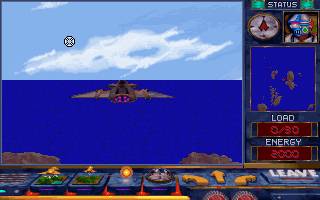
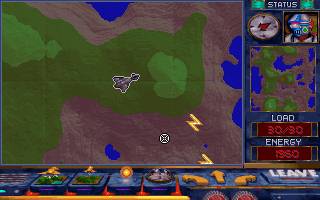
Graphics: Nothing flashy or unusual but still manages a sense of alien environments and galactic vistas. VGA artwork is nice and the 3D surface environments enhance game play.
Sound: Music is unobtrusive and adds little to the overall feel but the sound effects, while not overly exciting, are a step up from average.
Enjoyment: Lots to do in Alien Legacy. Managing colonies from the ground up, monitoring technology, eliminating unfriendly aliens, searching for clues--all integrated into a well designed story that keeps the interest level up.
Replay Value: As with many games of the genre, once the mystery is solved, despite the open-ended aspect of the game, there isn't much here a second time around.
How to run this game on modern Windows PC?
People who downloaded Alien Legacy have also downloaded:
Ascendancy, Alien Nations, Birthright: The Gorgon's Alliance, Ambush at Sorinor, Age of Wonders, American Civil War: Take Command - Second Manassas, Age of Sail, Age of Sail 2
©2024 San Pedro Software. Contact:  , done in 0.003 seconds.